Domestic and commercial solar in Flintshire

Solar Panel Installers in Flintshire

Looking for solar panel installers in Flintshire? DomElec provides solar PV solutions for homes and businesses across Mold, Deeside, Buckley, Flint, Holywell and surrounding communities.

From smaller residential roofs to substantial commercial premises, every installation begins with understanding the property, its electrical requirements and how the system will be used.

Based in neighbouring Wrexham, DomElec has real installation experience in Flintshire, including a residential solar and battery project in Mold. Our approach focuses on suitable system design, clear technical information and realistic expectations.

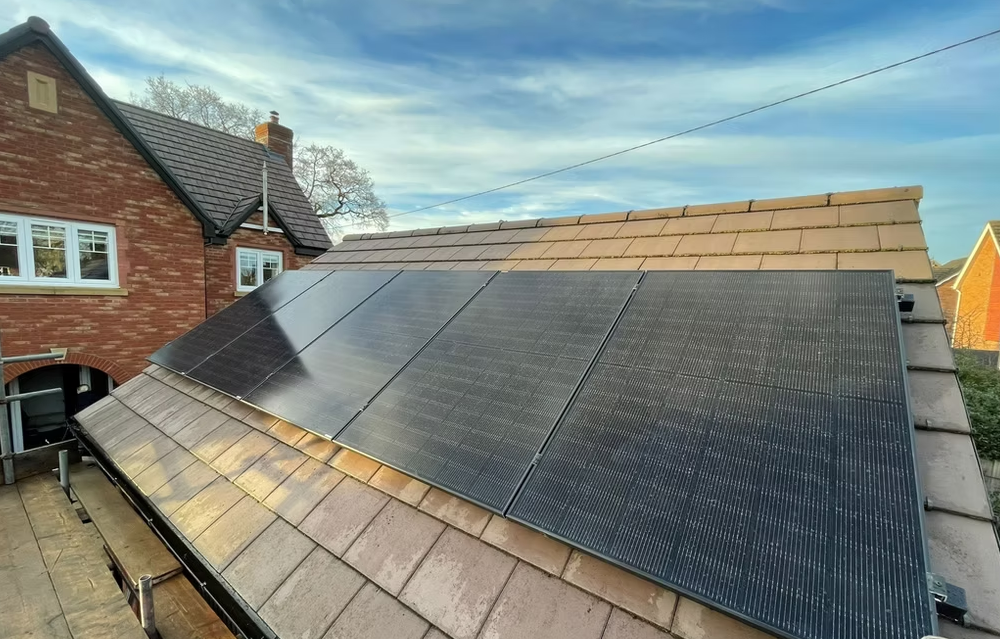
Rooftop photovoltaic solar panels installed on a residential building Solar solutions for homes and businesses
Serving Flintshire Mold, Deeside, Buckley, Flint and surrounding areas
Domestic and Commercial Solar PV systems designed around the property
Existing Local Projects Real solar and battery installation experience
Local solar expertise

Solar panel installation for Flintshire's varied homes and commercial buildings

Flintshire has a varied mix of properties, from established residential neighbourhoods in Mold and Buckley to industrial facilities around Deeside and rural buildings across the county.

This variety creates different opportunities for solar photovoltaic electricity generation. A household may want to reduce the electricity it purchases from the grid, while a business may be more interested in offsetting consumption during working hours and making productive use of available roof space.

The right system is not necessarily the largest one that will fit. Roof suitability, available daylight, electrical demand, installation access and budget should all influence the final design.

For an older property, the condition and construction of the roof may need particular attention. A modern detached house might present fewer mounting challenges but still have limitations caused by shading, dormers, roof windows or neighbouring buildings.

Commercial buildings require another level of consideration. Electricity consumption, business operating hours, roof structure, network connections and ongoing site operations can all affect the installation.

DomElec brings these factors together when discussing a proposed solar project, helping property owners understand what is practical before committing to equipment.

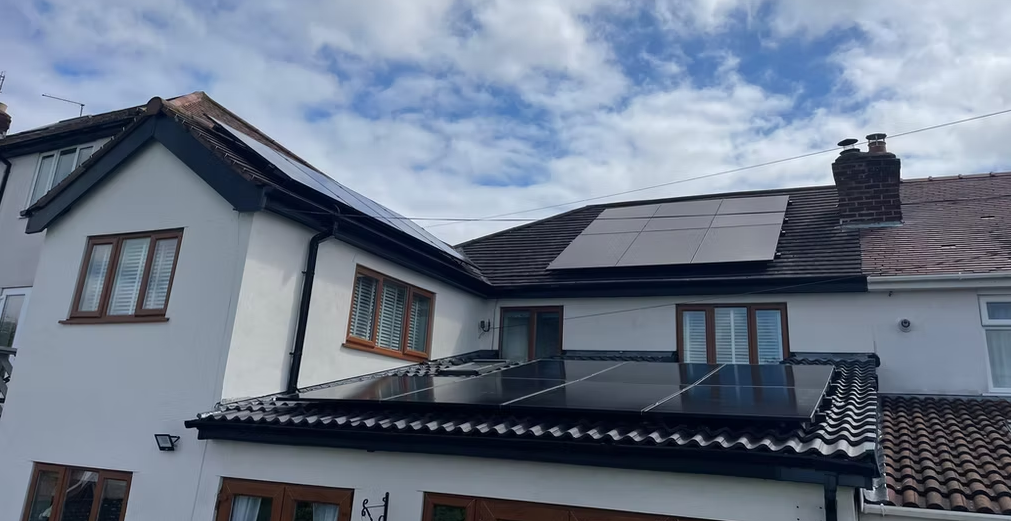
Solar panels fitted across different sections of a house roof
Solar installation services

The right solar system depends on how your property uses electricity

Domestic and commercial solar installations use photovoltaic technology to generate electricity from daylight. However, the design and financial considerations differ considerably depending on the property.

Our dedicated service pages explain these options in greater detail. The following overview helps identify which route is most relevant to your requirements.

Residential Solar Panels

Solar panels can help households reduce grid electricity purchases while producing renewable energy from their own roofs.

Relevant factors include annual electricity consumption, daytime occupancy, roof orientation and possible future additions such as electric vehicle charging or electric heating.

The design should also consider the inverter, available installation space and whether battery storage would provide enough additional value to justify its cost.

Explore Residential Solar →

Commercial Solar Panels

Commercial solar can be particularly relevant where a business consumes significant amounts of electricity during daylight hours.

Manufacturing, engineering, warehousing, hospitality and other energy-intensive operations may be able to offset a proportion of electricity purchased from their supplier.

Larger installations need careful consideration of structural capacity, electrical infrastructure, predicted output and operational requirements.

Explore Commercial Solar →

Solar Battery Storage

Battery storage allows suitable properties to retain some surplus solar generation for use at a later time.

This may help reduce electricity imports when solar output is low or when household demand increases during the evening.

The value of storage depends on battery capacity, energy demand, charging arrangements and electricity tariffs. Backup power must be designed separately where required.

Explore Battery Storage →

A solar installation should also allow for likely changes in electricity demand. A business introducing electric vehicles, for example, may have a different energy profile in future. Similarly, a household planning a heat pump may want the wider electrical requirements considered before selecting its solar system.

Areas covered

Solar panel installers covering towns and communities across Flintshire

DomElec welcomes enquiries across Flintshire, with project suitability and survey arrangements assessed according to the individual site. Different parts of the county have different building characteristics and installation considerations.

Mold Established housing, newer properties and surrounding rural locations
Deeside Industrial, commercial and residential solar enquiries
Buckley Domestic rooftops and local business premises
Flint Residential and commercial buildings
Holywell Homes, rural properties and business sites
Connah's Quay Residential solar and energy storage enquiries
Queensferry Domestic properties and commercial premises
Shotton Residential and business solar requirements
Hawarden and Ewloe Modern and traditional properties

In more built-up areas, surrounding buildings, chimneys and trees can affect the usable roof area and expected electricity generation. For detached properties and agricultural buildings, the available roof space may be greater, although its structure and condition still need assessment.

Properties nearer the Dee Estuary or more exposed locations may also need particular consideration of wind exposure, mounting arrangements and corrosion resistance. These requirements should be determined through the relevant site and equipment specifications, not broad assumptions about the town.

For larger industrial premises, electricity demand during operating hours can be a particularly important part of the design. A suitable proposal should consider when machinery, lighting, ventilation and other equipment are drawing power.

Our wider North Wales solar installers guide covers the other counties served by DomElec, while the Mold solar installation case study provides details of a completed local project.

Local renewable energy evidence

Flintshire already has an established record of adopting solar technology

Solar electricity is not a new technology for Flintshire. The county council has published information about renewable energy and energy-efficiency projects carried out across its own buildings and housing stock.

According to Flintshire County Council, more than 700 homes within its housing stock have solar photovoltaic systems. The authority has also installed low-carbon and renewable energy technologies in more than 50 of its buildings.

These technologies include solar PV, solar thermal, heat pumps and other renewable or lower-carbon systems. The figures therefore demonstrate wider local adoption, not the number of private solar installations available across the county.

The council has also described a decarbonisation network serving the Deeside industrial area, reflecting the importance of reducing energy-related emissions within the local economy.

These initiatives provide useful regional context, although they do not establish the likely savings, generation or financial return of an individual solar system.

Published Local Evidence Flintshire County Council Information
Council homes fitted with solar PV More than 700 homes
Council buildings with low-carbon and renewable energy technology More than 50 buildings
Technologies included Solar PV, solar thermal, heat pumps, wind and other systems
Historic non-domestic energy demand met by council generation systems Approximately 10% in 2018–19
Industrial decarbonisation activity Deeside industrial area network identified by the council

Source: Flintshire County Council – Buildings. Figures describe the council's published programmes and historical performance where indicated. They are not DomElec installation totals or customer savings.

For homeowners and businesses, these examples show that renewable energy systems are already part of the county's infrastructure. However, a private installation should be assessed on its own technical and financial merits.

Making the right decision

What should be assessed before installing solar panels in Flintshire?

A successful solar installation starts with reliable information about the building and its electricity requirements. Several factors can change the appropriate system size, installation method and expected performance.

Roof Structure and Condition

The roof must be suitable for the proposed panels and mounting equipment. Age, covering type, structural condition and safe access all need consideration.

Slate roofs, older buildings and certain industrial roof systems may require particular fixing arrangements or additional checks before work begins.

Any necessary repairs or structural concerns should be addressed before installing equipment expected to remain in place for many years.

Shading and Roof Orientation

The direction and pitch of a roof affect how sunlight reaches the panels throughout the year.

South-facing roofs can offer favourable annual generation, but east- and west-facing arrangements may also be effective.

A realistic assessment should account for trees, chimneys, nearby buildings and other obstructions that could reduce output at certain times.

Electrical Demand and Connection

The times when electricity is consumed are important when considering system capacity and financial benefits.

The existing electrical installation, inverter configuration and relevant distribution network requirements must also be assessed.

Some projects need additional electrical work or network approval before their proposed capacity can be connected.

These considerations are connected. For example, a roof may have space for a substantial array, but the property's daytime electricity use may be modest. Alternatively, a business with high electrical demand might have a roof where only part of the available area is suitable for installation.

The design therefore needs to balance generation potential, practical feasibility, system costs and how much electricity can be used on site.

Completed local installation

DomElec's solar and battery installation in Mold

Experience with actual local properties is useful when assessing solar installers. It provides evidence of completed work rather than relying entirely on generic descriptions of equipment.

DomElec completed a residential solar installation in Mold in January 2023, combining a 14-panel photovoltaic array with battery storage.

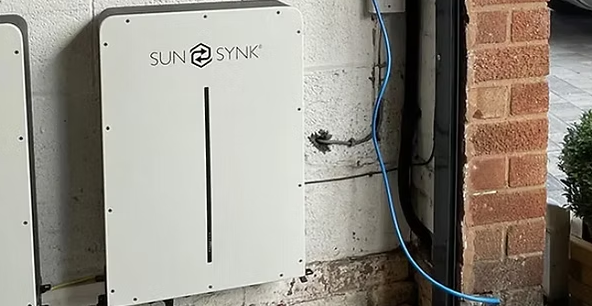
The system incorporated a 5kW SunSynk inverter and 10kWh of battery storage to help the homeowner use more of the electricity generated by the panels.

The project also included an Emergency Power Supply arrangement for selected essential circuits, demonstrating how backup functionality can form part of a properly designed solar and storage system.

These specifications relate to that particular property. Another home may require a smaller or larger array, different storage capacity or no battery at all.

Examining a real project can help prospective customers understand why suitable system design depends on actual requirements.

SunSynk inverter equipment shown in DomElec's solar project content
Mold Project Specification Installation Details
Project location Mold, Flintshire
Installation date January 2023
Solar array 14 photovoltaic panels
Inverter 5kW SunSynk
Battery storage 10kWh
Additional functionality Emergency Power Supply for selected essential circuits

Project specifications are taken from DomElec's published Mold installation case study. They describe one completed installation and are not a standard package or performance guarantee.

Solar investment considerations

Understanding installation costs and potential electricity savings

The cost of a solar installation depends on system size, roof access, equipment, electrical work and any optional battery storage. A quotation should therefore reflect the actual building rather than an advertised package price alone.

An installation on a straightforward residential roof may involve different costs from one requiring extensive scaffolding, structural assessment or additional electrical upgrades.

Commercial projects introduce further considerations, including roof loading, larger inverters, network connections, operational disruption and the scale of the proposed investment.

Savings should be based on estimated annual electricity generation and the proportion likely to be consumed directly by the property. Electricity generated and used on site can reduce purchases from the supplier, while eligible exported electricity may earn payments through an export tariff.

The Smart Export Guarantee is one mechanism through which eligible installations can receive payment for electricity exported to the grid. Rates and eligibility conditions vary between suppliers and tariffs.

The amount of solar electricity generated is not constant throughout the year. Seasonal changes, weather conditions, shading and system losses affect output. For that reason, annual estimates should be used when considering financial performance.

Energy Saving Trust's solar guidance provides independent information on costs, generation and practical considerations for UK homes.

A useful proposal should show its assumptions clearly, including electricity consumption, estimated generation, import tariffs and any assumed export payments. These figures allow customers to understand potential returns without treating projections as guarantees.
Welsh planning requirements

Planning permission for solar panels in Flintshire

Many domestic rooftop solar installations in Wales can fall within permitted development rights, meaning that a separate planning application may not be necessary.

However, conditions and exceptions apply. Listed buildings, protected locations, certain roof arrangements and properties with restricted development rights may require additional checks.

Flintshire County Council provides guidance on determining whether household alterations qualify as permitted development.

The council also explains that building regulations and planning permission are separate matters. An installation may have electrical and building compliance requirements even where planning permission is not needed.

Before proceeding, property owners should check the applicable Flintshire planning guidance and seek clarification where restrictions may apply.

Safe electrical installation

Network connections, certification and aftercare

Solar photovoltaic equipment becomes part of a property's electrical installation and must be designed, installed and commissioned with appropriate safety measures.

The existing electrical infrastructure, inverter protection, isolation arrangements and connection capacity should all be considered.

Depending on system characteristics, the relevant distribution network operator may require notification or a connection application.

Following installation, appropriate electrical testing, commissioning and documentation should be completed. Owners should also understand the system monitoring arrangements and applicable warranties.

Proper maintenance does not usually require frequent intervention, but monitoring helps identify unexpected reductions in performance. Roof condition, vegetation, equipment faults and manufacturer requirements should be considered over time.

A well-documented installation supports future maintenance and can also be helpful when a property changes ownership.

A clear installation process

From initial enquiry to a working solar system

A structured approach helps ensure that system design, quotation, installation and commissioning reflect the building's requirements. The exact programme will depend on the size and complexity of the project.

1

Discuss the Property

Share the installation address, type of building, roof information and your reasons for considering solar.

Recent electricity bills and plans for future energy use can be useful at this stage.

2

Assess Suitability

Roof condition, orientation, shading, available space and electrical arrangements are reviewed.

Any practical limitations or additional requirements should be identified before the final specification is agreed.

3

Review the Proposal

Consider the proposed panels, inverter, estimated generation, installation work and financial assumptions.

Battery storage and future expansion can be discussed where relevant.

4

Install and Commission

The system is fitted, connected, tested and commissioned according to the agreed design.

Handover should explain system operation, monitoring, documentation and warranties.

Before making a decision, it is worth discussing what will happen if the survey identifies additional roof or electrical work. Clear communication at this stage can help prevent unexpected changes later.

Customers should also understand who is responsible for any required network paperwork, what commissioning documents will be supplied and how technical support will be provided after installation.

Frequently Asked Questions

Common questions about choosing and installing solar panels

The following questions cover important practical considerations for anyone comparing solar installation options. They address general solar PV topics rather than individual companies or products.

How do I compare quotes from different solar panel installers?

Compare solar quotations on the basis of the complete proposed system, not just the total installation price. Check the system capacity in kWp, panel and inverter models, estimated annual generation, mounting arrangements, warranties and electrical work included. Ask whether scaffolding, commissioning, network paperwork and aftercare are covered. If a battery is proposed, compare its usable capacity and purpose. Financial forecasts should use clear assumptions about electricity consumption, tariffs and exports so that different proposals can be evaluated fairly.

Two quotations can look similar while proposing systems with very different specifications. One installer may recommend a larger array, while another designs around the electricity the property can use directly. Panel efficiency, product warranties, inverter features and mounting methods can also influence cost. Start by comparing the capacity of each system and the estimated annual electricity generation, normally expressed in kWh. Ask how shading and roof orientation were accounted for in the calculation. Then consider what happens to the electricity generated. A financial illustration should distinguish electricity used on site from electricity exported to the grid. If one quotation assumes much higher future electricity prices or a generous export tariff, its projected savings may appear better without the underlying system necessarily performing better. Check that the proposed electrical work, access arrangements and commissioning are properly included. Finally, examine product warranties, workmanship protection and the company's arrangements for maintenance or technical support. A transparent quotation should make these differences easy to understand before you agree to the installation.

Can solar panels be installed on slate roofs or older buildings?

Yes, solar panels can be fitted to many slate roofs and older buildings, provided the roof structure and covering are suitable. Slate generally requires appropriate mounting techniques and careful handling because individual slates can be fragile. The age and condition of the roof should be assessed before installation. Older buildings may also have planning, conservation or listed building restrictions. The correct approach is to establish structural suitability, identify the required fixings and check any necessary permissions before work begins.

Traditional roofs can be suitable for solar photovoltaic installations, but their construction may require more careful preparation than a straightforward modern tiled roof. The supporting timbers, roof covering, fixings and existing condition should all be considered. Where slate is present, mounting brackets must be appropriate for the roof system and installed in a way that protects its weatherproofing. Damaged or deteriorating roof materials may need repair before panels are fitted. It is also important to consider the remaining expected life of the roof covering. Removing and reinstalling a solar array for major roof repairs can create avoidable costs if maintenance needs are already apparent. Some historic properties are protected by listed building legislation or planning restrictions. These may influence panel placement, visibility and the permissions required. A property owner should not assume that solar is impossible simply because a building is old. Equally, installation should not proceed without confirming that the roof and proposed mounting method are suitable. A proper survey provides the information needed to make that decision.

What happens if part of my roof is shaded during the day?

Shading can reduce the electricity generated by solar panels, but it does not always make an installation unsuitable. The effect depends on how much of the array is shaded, when the shading occurs and how the system is configured. Trees, chimneys, neighbouring buildings and roof features can all create obstructions. A solar assessment should examine these conditions throughout the year and consider suitable panel placement, inverter arrangements or optimisation equipment where appropriate.

Solar panels produce electricity according to the daylight reaching their surfaces, so an obstruction that blocks sunlight can affect system performance. The extent of the loss varies considerably. A chimney that shades one section briefly each morning may have a different impact from a large tree covering most of the roof during winter. Seasonal differences also matter because the sun follows a lower path across the sky in colder months. A proper survey should identify the areas affected and estimate how they influence annual generation. It may be sensible to position panels away from a heavily shaded roof section or use a different layout. Depending on the design, module-level power electronics or suitable inverter configurations may help manage some shading effects. However, no equipment can recover sunlight that never reaches the panels. The financial value of a proposed solution must therefore be assessed against its additional cost. A realistic forecast should include expected shading losses, allowing the customer to understand what the system may generate in practice rather than relying on idealised conditions.

Can a business install solar panels if it rents its premises?

A business may be able to install solar panels on rented premises, but permission from the property owner is normally required. The lease, roof ownership, responsibility for maintenance and remaining tenancy period should be reviewed before proceeding. Solar can still be commercially attractive where the business uses substantial electricity during the day, but the financial arrangement must reflect the tenant's circumstances. The landlord and tenant should also agree what happens to the equipment when the lease ends.

Commercial solar installations involve physical changes to a building and its electrical infrastructure. Where premises are leased, the tenant may not have authority to alter the roof or install generating equipment without the owner's consent. A lease may contain specific provisions regarding alterations, structural work, insurance and maintenance. These should be examined before commissioning an installation. The proposed system may also raise questions about who owns the panels, who receives any export payments and who is responsible for repairs. If the business expects to occupy the premises for only a short period, the anticipated return may be less attractive than it would be for an owner-occupier. Longer leases can provide more opportunity to benefit from reduced electricity purchases, although the details still matter. Landlords may also have an interest in improving the energy performance of their buildings. It is sensible for both parties to agree the intended scope, financial arrangements and responsibilities in writing. Legal advice may be appropriate where the installation involves a substantial investment or complex lease conditions.

Can I add more solar panels to an existing system?

It may be possible to expand an existing solar photovoltaic system, but the equipment and electrical arrangements must be checked first. Available roof space, panel compatibility, inverter capacity and network connection limits can all affect the options. Adding panels is not always as simple as connecting more modules to the existing array. In some circumstances, a separate inverter or revised system configuration may be more suitable. Any expansion should be assessed for safety, performance and compliance before work begins.

A solar installation is designed around the electrical characteristics of its panels and inverter. Existing equipment will have limits relating to voltage, current and connected generation capacity. Adding further modules without checking those limits could create technical or safety problems. Panel orientation and shading also need consideration. New panels installed on a different roof section may operate under conditions that are not ideal for the existing electrical configuration. An installer should review the original system specification, available inverter inputs, protection arrangements and relevant documentation. The distribution network operator's requirements may also need revisiting if the system's capacity changes. Older installations sometimes use equipment that is no longer readily available, making direct expansion less practical. Depending on the circumstances, a supplementary system, additional inverter or broader upgrade may provide a better solution. The financial case should consider the cost of the changes, the additional electricity expected and how much of that generation can be used by the property.

What maintenance do solar panels need in the UK?

Solar photovoltaic systems generally need relatively little routine maintenance, but they should not be ignored after installation. Regularly reviewing generation through the monitoring system can help identify unexpected performance changes. Panels should be checked for visible damage, excessive dirt or shading from growing vegetation where this can be done safely. Electrical equipment, mounting arrangements and inverter operation should be maintained according to the manufacturer's instructions and relevant professional recommendations.

Solar panels have no moving mechanical parts involved in generating electricity, which contributes to their relatively low routine maintenance needs. However, a complete installation also includes mounting equipment, cabling, isolation devices, an inverter and sometimes battery storage. These components have their own maintenance requirements. The owner should understand what the manufacturer recommends and whether periodic professional inspection is appropriate. Monitoring can help detect a loss of generation that might otherwise go unnoticed. Comparing output with similar periods can be useful, although weather differences must be considered before assuming there is a fault. Heavy dirt, bird activity, vegetation and accidental damage can affect some installations. Panels should never be accessed or cleaned in a way that creates a risk of falling or electrical injury. Where cleaning or repair is necessary, use an appropriately competent professional. An inverter may require replacement during the lifetime of the panels, depending on the equipment and its condition. Keeping commissioning records, warranties and monitoring information accessible makes future maintenance and troubleshooting much easier.

Your Next Step

Looking for solar panel installers in Flintshire?

Whether you are considering solar for a family home in Mold, a business in Deeside or a property elsewhere in Flintshire, DomElec can help you explore the available options.

Tell us about your building, current electricity use and what you want your solar system to achieve. We can then discuss the practical requirements and the next steps towards a suitable proposal.