
• Residential solar panel installation

    Temque core dolenda dolupta ectotatendae vent quamus

    Write your caption here
    Button

Residential solar system that works for your home

Domestic solar is about more than fitting as many panels as possible onto your roof. The right system needs to take account of how you use electricity now, how that might change in future and what works for the property itself, so the whole system makes sense for your home.
More control over household energy costs

A well-designed solar system can reduce how much electricity you need to buy from your supplier and give you more control over household costs. The savings will depend on how much electricity you use, when you use it and how much of the energy generated you can use yourself.

Designed around how you use electricity

How you use electricity at home helps shape the system. That might mean bringing together the right panels, inverter and, where useful, battery storage. Roof space, budget and everyday energy use all play a part in finding a setup that fits the property.

Who domestic solar can suit

Solar can work well for a wide range of homes, as long as the property itself is suitable. It can be particularly useful if you use a lot of electricity, work from home, charge an electric vehicle, have a hot tub or are thinking about installing a heat pump.

Realistic expectations from the start

Solar generation changes throughout the year, so the figures need to reflect both summer and winter. MCS-certified software is used to show expected generation and likely financial return, giving you a realistic picture of how the system could perform before making a decision.

Understanding your home before installation

How electricity is used at home can affect the whole setup, from working at home to charging an EV or other larger demands. Electrical and structural checks are also carried out before installation, with the practical details agreed early so there are fewer surprises once work begins.

Start with a conversation

If solar is something you’re considering, a conversation about the property and how electricity is used is enough to get started. From there, the options can be explored, along with what the system could realistically generate and whether the investment feels worthwhile for your home.

  • Solar panel installation – Fitted around the property

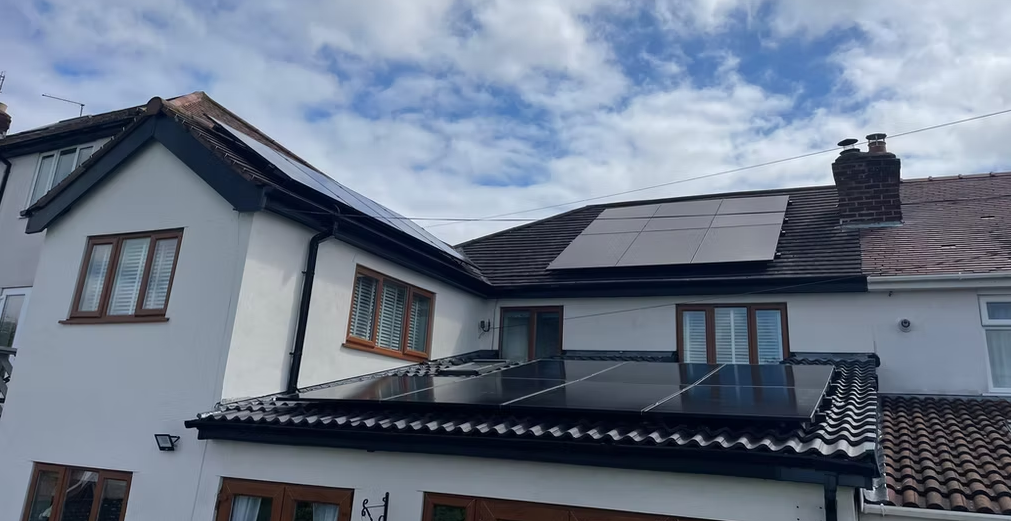
    Solar installation should start with the property, not simply with choosing panels or equipment. Electrical and structural checks help establish what is practical before work begins. The fitting approach can then reflect the property itself. Potential issues can also be identified early, rather than once installation is already underway.

  • Solar panel costs and savings – Based on actual energy use

    Solar can reduce how much electricity needs to be bought from the grid. However, the savings will differ from one household to another. Electricity use and when that electricity is used both matter. Looking at actual household energy use gives a more useful picture of the potential savings.

  • Solar panel suitability – Based on the property

    Solar can work well for many homes, but the property still needs to be suitable. Electricity use also plays an important part. Higher usage can make solar particularly relevant, including homes with EV charging or hot tubs. Future plans for electric heating can also affect what makes sense.

  • Solar panel efficiency – Based on MCS-certified projections

    Solar generation is not the same throughout the year, with output naturally changing between seasons. That makes realistic projections important when understanding likely performance. MCS-certified software is used to show expected generation. This gives a clearer picture of how the system could perform before any decision is made.

  • Solar battery storage – Designed around everyday energy use

    Battery storage can form part of the wider solar design rather than being considered separately. Its relevance depends on how electricity is used throughout the day. EV charging or future heating plans can change that picture too. Considering these together helps shape a system around everyday household energy use.

  • Solar panel warranties and lifespan – Understand the available options

    Questions about warranties and lifespan can form part of choosing the right equipment. There is no need to arrive knowing which panels, inverter or battery would be best. The property and what solar should achieve come first. From there, the available equipment options can be explained and narrowed down clearly.

  • Solar panel maintenance – Know what installation involves

    Maintenance may be one of the practical questions that comes up when considering solar. Understanding how the system will be installed provides useful context first. Electrical and structural checks establish what the work will involve. Practical fitting details are also considered, helping identify anything that could affect the installation.

  • Solar panel payback – Understand performance before deciding

    Solar payback depends on realistic expectations about generation, energy use and likely financial return. Generation changes naturally between summer and winter, so annual figures need proper context. MCS-certified software helps show expected generation and likely financial return. That gives a clearer view of performance before making a decision.

“Fantastic experience from start to finish from a local company who put customer service at the very heart.”

ALLISON & CARL EVANS

“Outstanding Service from DomElec. We chose DomElec after being incredibly impressed by the solar installation.”

MARTIN HICKLING

“Great company. They handled our solar and battery installation professionally from start to finish. Excellent communication.”

G J

“I did a lot of research and spoke with several national and local companies before choosing Domelec.”

IGS
Clear, honest advice without the pressure